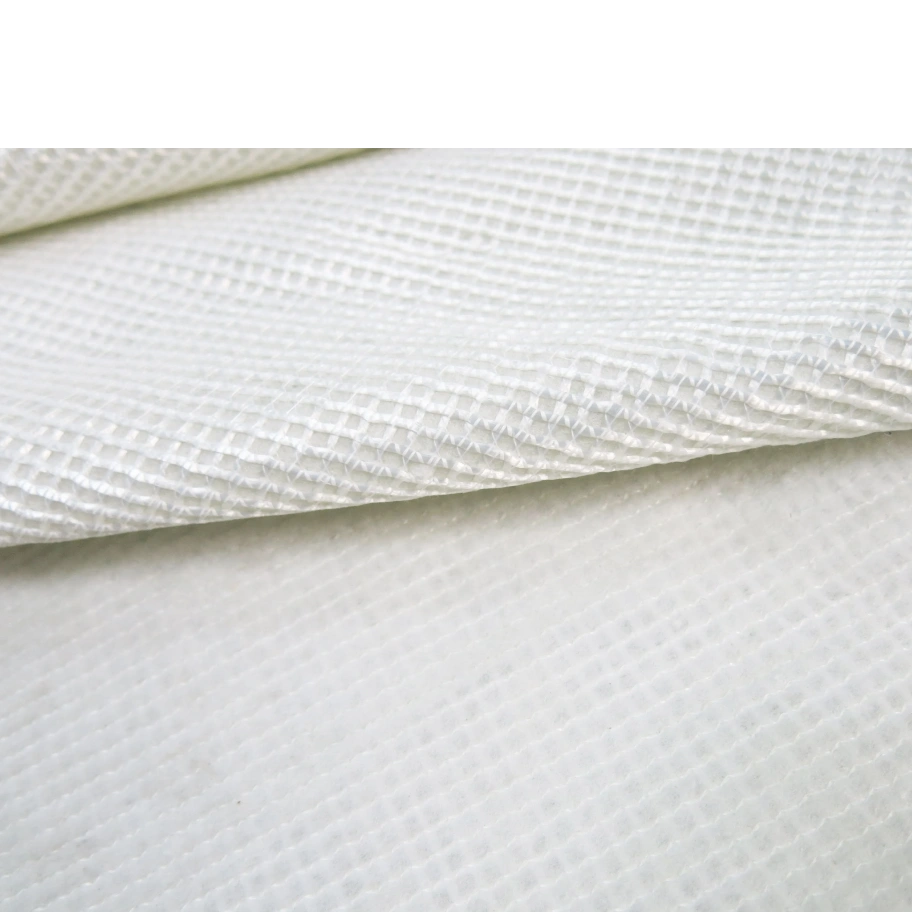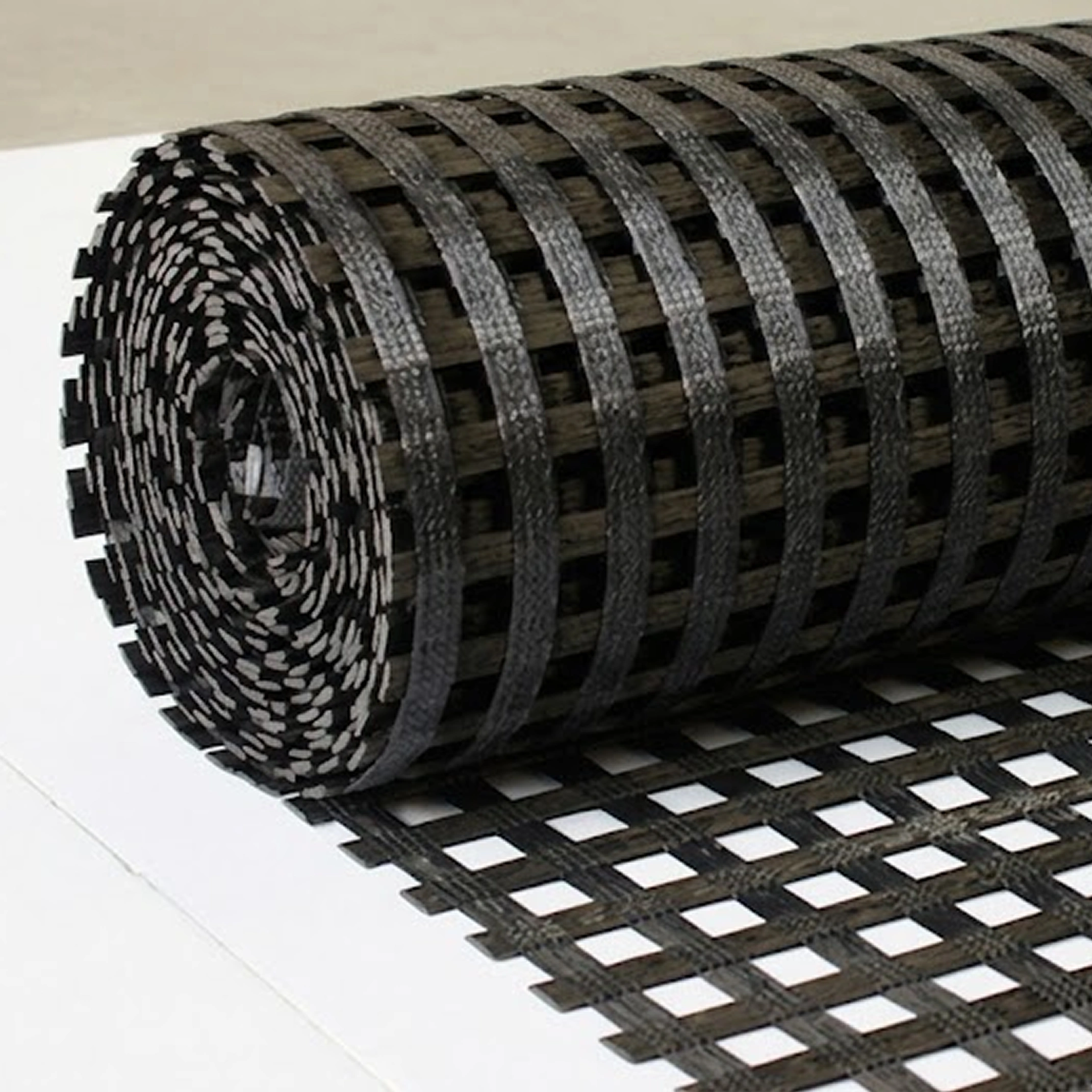
Geogrid
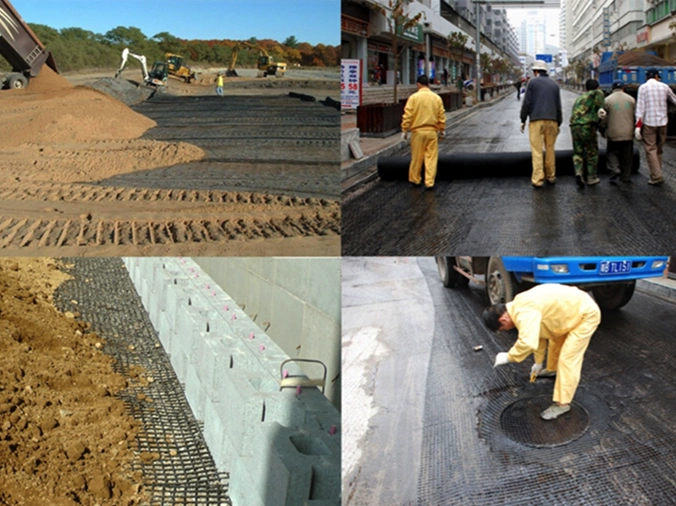
A soil reinforcement geogrid is used to improve soil durability and increase its load-bearing capacity. It is suitable for construction on soft soil or areas subject to heavy loads, such as roads, railways, canals, and slopes.
1. High-Strength Polyester Uniaxial & Biaxial Warp-Knitted Geogrid
Made from high-strength Polyester (PET) fibers, coated with either oil-soluble PVC or water-soluble PVC. The geogrid is densely woven and stitched for added strength, providing excellent resistance to torsion.
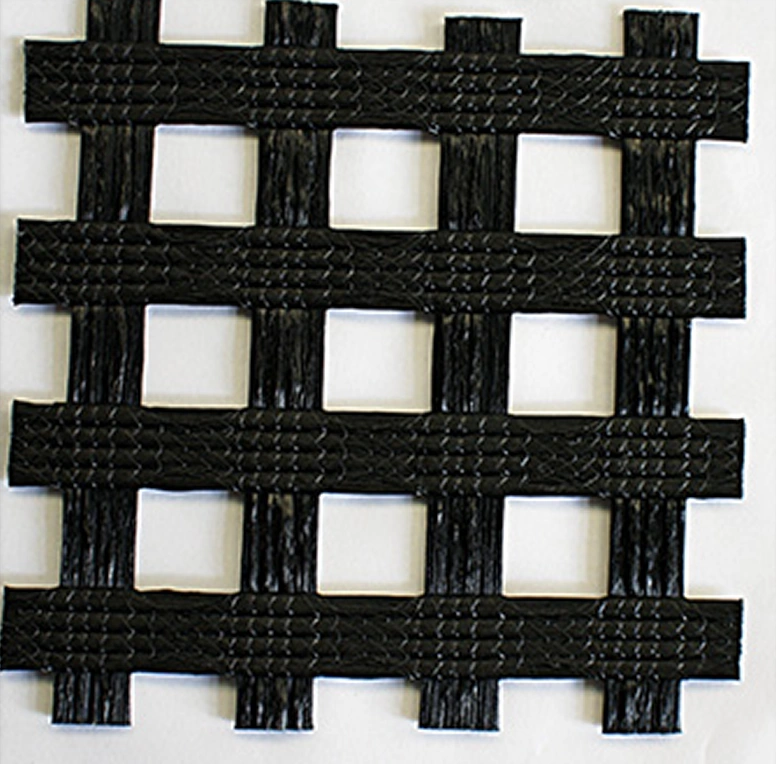
2. Warp-Knitted Polyester Uniaxial & Biaxial Geogrid
Made from Polyester (PET) fibers, coated with either oil-soluble PVC or water-soluble PVC. The geogrid is densely woven and stitched for reinforcement, providing good resistance to torsion.
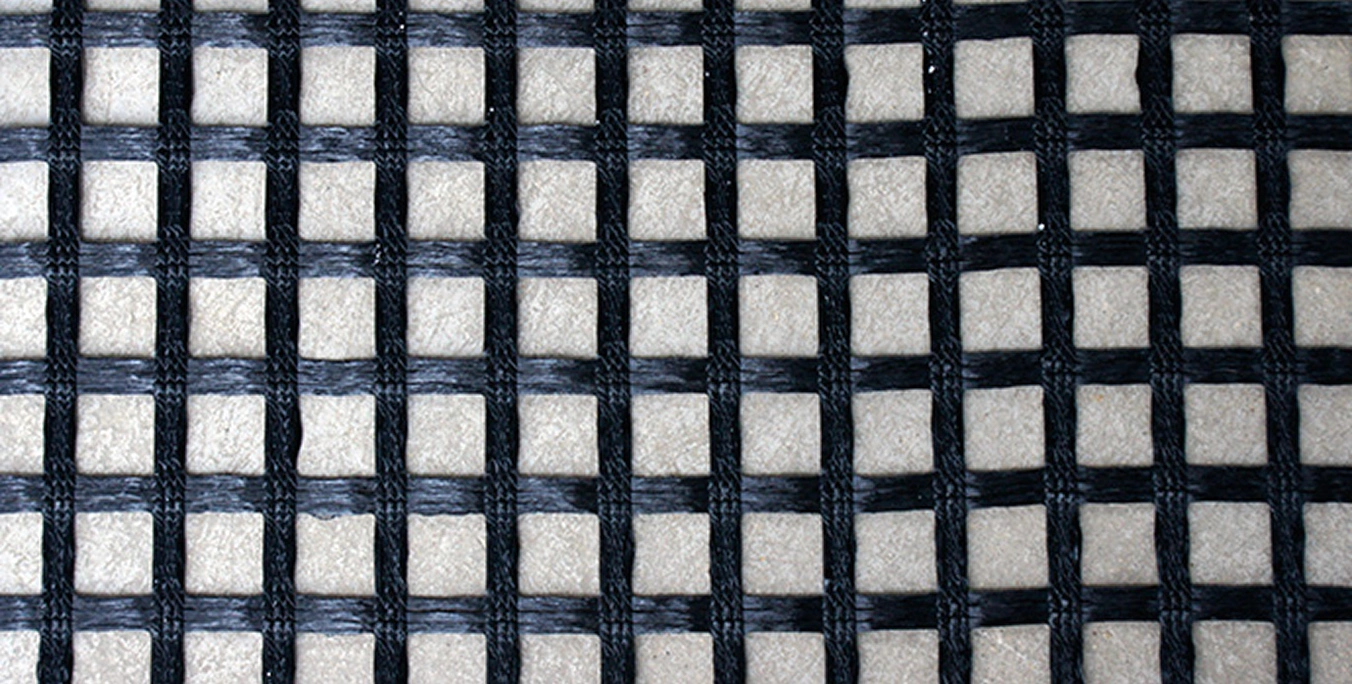
3. Fiberglass Geogrid
Made from fiberglass coated with asphalt. The geogrid is densely woven and stitched to provide additional strength and reinforcement.
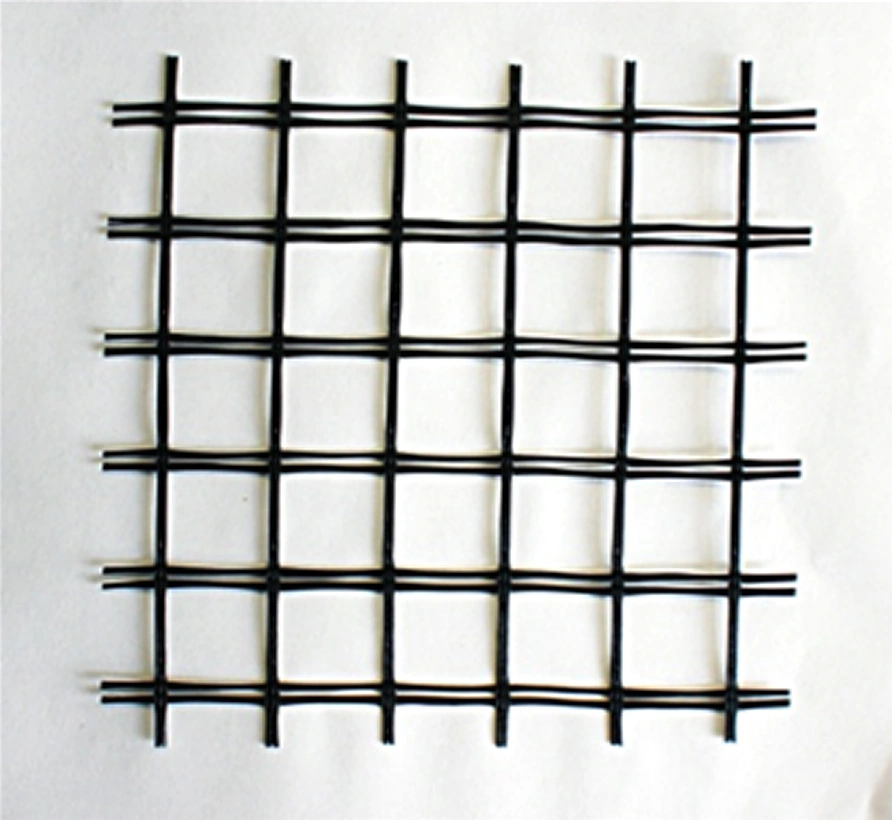
1. High-Strength Polyester Uniaxial & Biaxial Warp-Knitted Geogrid
Applications:
- Strengthening weak road bases for high-quality roads, railway construction, and soil separation
- Construction of embankments, slopes, and retaining walls
- Soil improvement
- Airport runway construction
2. Warp-Knitted Polyester Uniaxial & Biaxial Geogrid
Applications:
- Highways, road rehabilitation, and embankment slopes
- Reinforcement of riverbanks and slopes
- Soil improvement
3. Fiberglass Geogrid
Applications:
- Asphalt pavement maintenance and reinforcement
- Connecting existing concrete pavement with new pavement and reducing the effects of cracking caused by joints and shrinkage
- Road repair and widening, helping prevent reflective cracking along uneven joints
- Reinforcement of soil and sediment layers; Geogrid allows water infiltration, improves soil strength, reduces settlement, and distributes road loads more evenly to improve the overall strength of the road base